

Many computer users are afraid for their privacy--and judging by the discussions surrounding the FCC and Net Neutrality, they should be. Now that users are responsible for the privacy of their online activity, they are finding new ways to make sure that corporations aren’t taking advantage of their Internet activity--namely through the use of a Virtual Private Network, or VPN.
Global Tech Solutions Blog
If you’ve watched the news lately, chances are you’ve seen the Equifax breach and the ridiculous fallout it has caused. Over 133 million personal records have been stolen. While it’s difficult not to feel individually victimized by such a breach, it’s important to remember that it’s often not your specific credentials targeted by hackers. Since businesses often hold onto valuable information, they have big crosshairs painted onto them. It doesn’t even stop there--any vendors or partners you deal with are also in danger of hacking attacks.
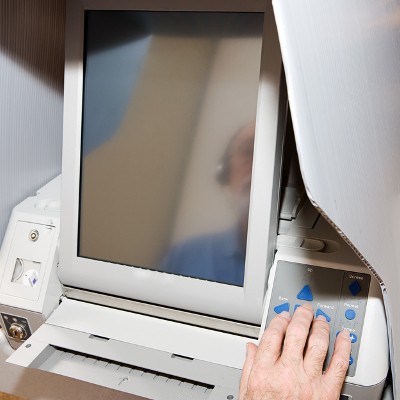
The 2016 United States presidential election was an ugly one for multiple reasons--chief among them the accusation that hacked voting machines could have altered the outcome of the election significantly. Thankfully, there are steps being taken to alleviate the worries that third parties might alter the outcome of such important events.
Have you ever used Google Maps as a GPS system to help you navigate a trip you are taking? In a lot of ways, Google Maps is even more dynamic than other dedicated online applications, and it’s certainly a better alternative than trying to decipher the lines of an atlas. Google Maps even lets you chart the distance between your location and your destination, which is a great way to get the total distance of your upcoming trip.
In the last few months, there have been several high-profile data security breaches that resulted in the theft of millions upon millions of non-public information records. Though much of the focus in the aftermath of the breaches was on personal identity theft and prevention, it’s important to keep in mind that not all the stolen data records target individuals. Business entities are also at risk. Vendors and partners that you do business with regularly will probably have record of your company’s non-public information, payment information, or tax ID number.