
Global Tech Solutions Blog
If there is any solution that is a constant across businesses, it would have to be the use of email. This also means that the risk of threats coming in through an email solution is also present in businesses of every shape and size. How is this shaping our approach to security now, and how will this shift in the future?
It’s not out of the ordinary for employees to not know the best practices surrounding email management, but it’s something that any self-respecting employer needs to consider. How are your employees using their email, and are they putting your organization at risk? The best way to address these issues is taking a two-pronged approach involving training employees on proper best practices, as well as taking technical measures to keep the risk of a breach to a minimum.
We think that it’s safe to say that nobody enjoys their inbox receiving incredulous amounts of emails on a regular basis. Yet, the business owner must maintain their inbox every day, and if a message doesn’t strike them as important, they’ll probably either ignore it or delete it completely. Here’s how you can prevent this from happening.
It’s true that email is such a common solution that most people don’t think twice about how it works. However, it’s imperative that you at least understand the concept, as it can provide you with a considerable advantage when it comes time to optimize email access on your mobile devices. First, we’ll discuss the ways in which the two major message exchange protocols differ, and then dig into the specifics of why you should choose one over the other.
If you’re like most business users, you rely on email quite a bit to stay apprised of what is going on, as do most of the people you are likely in communication with. As such, you most likely understand that, while most emails require some kind of response or confirmation of receipt, not all of these messages require a heartfelt message. This is where Gmail’s Canned Responses come in handy.
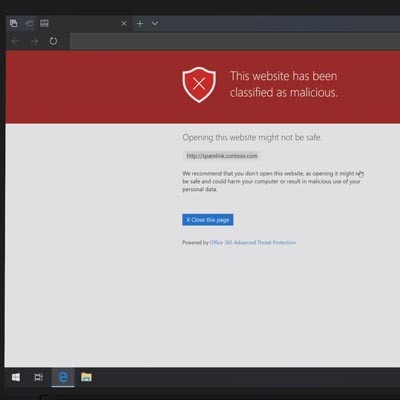
Email is often touted as a favorite medium for launching cyberattacks against businesses and individuals. This is because it’s easy to hide the true intent behind an email attack within its contents, whether they are embedded images in the message itself, or links to external sources. How can you know for sure whether the links in your email inbox are legitimate?
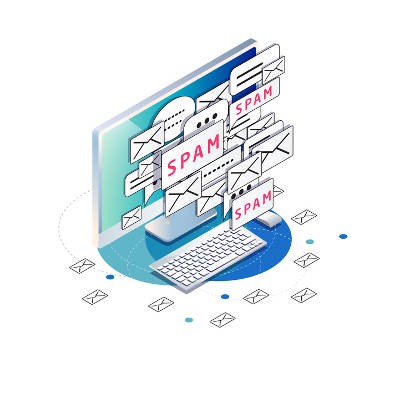
Chances are, you’ve heard of spam, but many don’t know how to identify it in the first place, let alone work around it. Frankly, spam can cause some serious damage to your business if not properly dealt with. In today’s blog, you’ll learn what makes spam, “spam,” and how you can keep it from infecting your inbox.
Email is (and has been) a prime method of communication for businesses of all sizes. With email comes a whole slew of issues that are essentially synonymous with the technology; spam, information overload, phishing, and information privacy. Even New York small businesses that only do business locally are at risk of these issues. Personal email accounts are equally at risk. Employing proper precautions and practices whenever communicating via email is very important to prevent the risk of security compromises, monetary loss, and even legality issues.