

Artificial intelligence, or AI, is a technology that many industries have found themselves benefiting greatly from, especially in the domains of cybersecurity and automation. Unfortunately, for every one great use of something, hackers will find two bad uses for it. AI has dramatically changed the landscape of cybersecurity and, more interestingly, cybercrime. Let’s take a look at why these threats are so concerning.

Global Tech Solutions Blog
Businesses need all of the advantages they can get against threats, especially considering the fact that many of them adapt and evolve in response to advances in security measures. Some security researchers are seeing great success with artificial intelligence measures, a concept that could eventually become the future of network security in the business world.
Today’s cybersecurity landscape is dangerous, to say the least, prompting many organizations to adopt what is called a zero-trust policy for their security standards. Is a zero-trust policy the best solution for your company’s cybersecurity woes, and how effective is it toward preventing security issues? Let’s take a look.
Technology is often a source of struggle for small businesses, usually for one of two reasons. Either the strong IT leadership needed isn’t there, or there aren’t enough resources to support the level of IT management and maintenance that businesses need. Of course, there are other mistakes that can easily be made when it comes to a business’ technology management.
Data breaches are a well-known fact in the business environment, and small businesses in particular have many challenges that threaten their operations. It is important that you consider these security issues when putting together your risk management strategy, especially as it pertains to cybersecurity. Let’s take a look at how you can overcome some of the security challenges present for small businesses in 2021.
Cybersecurity is an important part of running a business, especially in today’s age of ransomware and other high-profile hacks. It stands to reason that you periodically assess how effective your security practices are and how well-prepared your team is to respond to threats, but how often should you do so? Let’s take a closer look.
If anything has been made clear by recent strings of high-profile ransomware attacks, it is that businesses and organizations simply do not take security as seriously as they need to. We urge you to use this opportunity to reconsider your own levels of network security. Are you doing all that you can to keep your data and assets secure? There are countless threats out there, and they all must be addressed (or at least prepared for) in some way.
Many small business owners will temper their investments into IT security because they are of the notion that because their businesses are so small, they can’t be affected by hackers. We get it: prioritizing IT security is more expensive than you like and that money can justifiably be used elsewhere for more gain. The problem is that small businesses can and do get targeted by hackers. In fact, over 25 percent of all data breaches happen to small businesses. In today’s cyberthreat climate, your business can’t rely on luck. Let’s take a look at what you can invest in to protect your network and infrastructure.
When a company operates primarily via the Internet, there seems to be an inherent trust that their audience naturally has. There’s little-to-no doubt that all promises will be kept and that all data shared with them will be fully secured, but is this confidence appropriately placed? While we can’t speak to the promises these companies make, we can weigh in on some common data security practices.
Each and every business should be prioritizing their cybersecurity, as hacking is as popular and ever and some of the worst malware in history is currently spreading. To really drive this point home, we’ve put together some telling cybercrime statistics that clearly demonstrate the damage that cybercrime can wreak.
Cybersecurity needs to be one of any business’ primary considerations. More than it ever has been before, cybersecurity is one of the biggest day-to-day issues that a business needs to deal with; and, this need is only exacerbated by the shortage of cybersecurity talent and loyalty to outdated security strategies have put many businesses in an unenviable, and vulnerable, position.
Most of us like to take matters into our own hands, almost to a point where we might refer to ourselves as control freaks. So, when it comes to letting other people or even our own devices update themselves, we tend to click “remind me later” or “don’t ask me again”. Patches however, are a crucial task in the computing era. Keeping everything up-to-date aids your business in staying one step ahead of lurking threats. Recently, Microsoft announced that it had two major security updates which required emergency patches.
If you are concerned about your business’ ability to keep its network secure and data protected, you're not alone. More businesses than ever are utilizing modern strategies to ensure that their networks are safe, their hardware is stable, and that their data stays secure. With the continual shifts we are seeing in the threat landscape it is essential that cybersecurity continues to evolve. Today, we take a look at some of the innovations being made in cybersecurity, and what to expect out of future cybersecurity tools.
Most people know what a URL is. It’s the address of a website, typically starting with http:// or https://, and it is essentially the location of a web page or application that can be accessed through a web browser or application. Nowadays, URLs are being manipulated by actors for both positive and negative means. Let’s take a look at URL manipulation and how it could affect you.
Many companies today are increasing their adoption of remote working strategies, enjoying the operational benefits that come along with them. In order for you to take advantage of these benefits in your own operations, you need to be sure you have the tools needed to optimize remote work. Here, we’ll review what you need to make the most of your remote worker strategy.
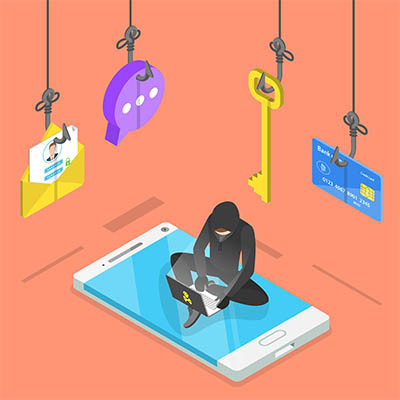
There are many threats out there in the online world that want to see your business suffer, and they will go to any lengths to make it happen. Now, we all have seen the various emails that these hackers and scammers might send to unsuspecting users, but these are only the beginning. The real threat comes from specialized phishing attempts, and they come in many different forms. We’ll help you identify them.
Cybersecurity is one of those hot-button issues that you should understand well enough to protect your business and yourself. Basically, as your organization holds more sensitive information, you’ll need to be more vigilant about how you approach cybersecurity. Today, we’ll take a look at the design and practices of organizational cybersecurity, and how you can work to bridge the gap between the solutions you can’t afford and the ones you already use.