



Global Tech Solutions Blog
2017 was filled with security issues ranging from threats and small attacks to major security breaches. You can learn a lot from the misfortunes of other ill-prepared organizations about how to prepare for and handle cybersecurity issues. This week’s tip is dedicated to learning a bit from some of the security problems that may have flown over your radar last year.
Spyware, like other malware, is a problem for any organization. Since your business generates, collects, and uses considerable amounts of data, there are plenty of organizations that want to get their hands on it. You spend so much time and money protecting your data against threats on the Internet, but what if the spyware were to just come standard on the computer you just bought?
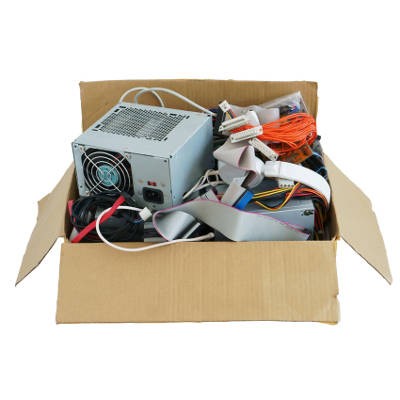
Technology has become more commonplace in offices and homes all around the world, and you might find yourself replacing it more often than previously thought. This leads to an awful lot of waste that can accumulate in your office, be it an extra smartphone, desktop, or something as simple as a random, non-functional hard drive. However, getting rid of your old, unnecessary tech isn’t as simple as throwing paper into a recycling bin, and it shows in the amount of e-waste that infects the world every day.
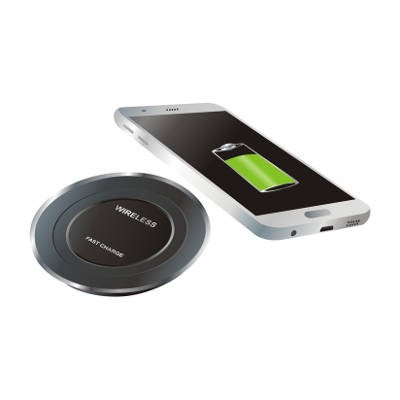
Mobile devices have become a staple in the modern workplace. You’d be hard-pressed to find a business that doesn’t utilize smartphones or tablets in some way. However, mobile devices will never be truly mobile while they need to be tethered to wires plugged into outlets or USB cables due to batteries losing their charges. An innovation called wireless charging has attempted to shake this concept up, but has it proven successful? Just what is wireless charging, anyway?
Collaboration is a key part of business today, which has led to many developers and providers entering the business of collaboration. These developers are in deep competition with each other, each trying to update their offering to be better than the others’. Recently, Facebook Workplace, Slack, and Google’s Gmail each received collaboration-boosting updates.
Technology is a necessity for businesses everywhere if they are to reach their goals, which are themselves influenced by the technology that businesses have access to. If this cycle is to continue, a business needs to establish what is expected to come next in the line of IT innovation. From the looks of it, businesses are currently placing convenience in high regard.
It’s that time of the year again--the holiday season. Filled with lots of gift giving and sharing, you’ll want only the best and brightest smartphone on the market to ensure that you can keep in touch with friends, family, and even your clients should an emergency drag you back to the office suddenly. We’ll break down the specs of each major smartphone on the market so that you can make an educated decision about which one you would like to buy.
Vince Lombardi, one of the most successful head coaches in NFL history, once said “If you are five minutes early, you are already ten minutes late.” Although it wasn’t its intended use, this quotation can easily apply to technology. The tech industry is constantly changing, improving, and innovating. Adapting to changes is something all businesses must do to thrive, small and medium businesses included.
Does your business use Google’s line of Android devices for business purposes? Well, you might be happy to hear about Google’s new zero-touch solution for enterprises for their Pixel line of smartphones. If you provide smartphones for your business’ employees, you know how much of a hassle it is to set up these devices. This new zero-touch policy attempts to make a change to this.
It seems hard to believe that the smartphone has been around for over a decade. When Apple rolled out the first iPhone in 2007, it triggered a momentous shift in the way people access information. Over the past 10 years these devices have gone from somewhat of a novelty to a staple of modern computing. More data is transmitted and accessed by smartphone than by any other means, and Apple has been at the forefront of this computing shift from its inception.
Businesses can benefit from the use of personal mobile devices in the workplace, yet there are also potential dangers in allowing mobile and Internet of Things devices to access your network. In order to reduce these dangers, you need to put some limits and guidelines on the use of such devices in the workplace.
Today most companies utilize computers in the dissemination of their services. Whether you run an office that deploys dozens of computers and multiple servers, a busy restaurant with a full-scale point of sale system, or a contractor that only needs one computer with invoicing software, you depend on your data. Since most businesses also provide goods and services for many people that indirectly depend on it, having a plan to protect the business from potential devastation is important.
Traditional telephone lines were once extremely important for your business’s success. You had to have dedicated phone lines in your office running to each and every desk so that each of your employees had access to a phone when they needed it. Nowadays, however, virtual telephone systems have become popular with businesses of all size. How does this new way of handling your business’s communications hold up compared to the more traditional model?
Your business relies on mission-critical hardware that keeps its infrastructure running, including servers, workstations, and networking components. However, these pieces of technology require maintenance in order to function properly, and replacement every so often to keep the risk of downtime and hardware failure to a minimum. Thankfully, modern managed IT services have yielded a solution to this issue that can make managing your hardware infrastructure as easy as possible: Hardware as a Service.
Augmented reality is still a relatively new concept. It seems like a gimmick at first glance, but one of the most notable technology companies--Google--is attempting to take AR and use it to create a certain utility for it in mobile devices. Sundar Pichai, Google’s CEO, clarified this devotion to augmented reality with the announcement of the Google Lens.
How would you like to be able to charge your smartphone by simply walking down the street? Or to be able to turn the tie you’re wearing into a voice-recognition security system? Thanks to a team at Michigan State University, these abilities may not be so out of the question, as they have developed a promising little device that could be used to achieve these goals and many others.