


It doesn’t matter which industry your organization falls into. Your business will always be susceptible to threats in some way, shape, or form. Therefore, it’s your responsibility to ensure that your business understands how to protect itself from these threats, before it’s too late. We’ll help you learn more about the various issues that you need to watch out for, and what you can do to stop them.
Global Tech Solutions Blog
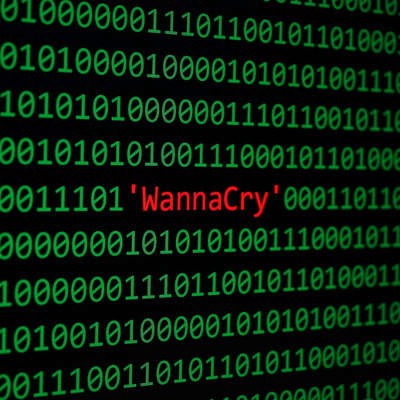
On May 11, 2017, the WannaCry ransomware spread around the globe like wildfire and disabled computing infrastructures belonging to organizations of all shapes and sizes. As the world watched the news unfold, it seemed as if practically no business was immune to this ultra-powerful ransomware. Yet, many quick-thinking organizations were. All because they had the foresight to follow IT best practices.
The Internet of Things is all around us, in our homes, our offices, and even our cars. While this connectivity can provide a more unified and automated approach to daily tasks, it has the downside of enabling certain security threats to go unfettered. A prime example are the IoT-driven botnets that seem to be increasing in popularity.
Microsoft has resolved what a security researcher tweeted was “the worst Windows remote code exec” in his memory. This vulnerability allowed a targeted file to implement remote code execution processes, manipulating the infected system and spreading the infection to other machines. In other word, it’s a bad problem to have. The scariest part: the attack would be triggered if a particular file were to be scanned by the Microsoft Malware Protection Engine.
How many emails does your organization receive every day? Chances are that you can’t find time in your day-to-day operations to maintain and manage your email solution as well as you’d like, and in a world where threats to your organization’s network lurk around every corner, you can never be too careful. How can you make sure that you’re taking proper care of your business’s email infrastructure, without sacrificing the time and manpower required to do so?
Society relies on law enforcement to enforce laws in a fair and just manner, but even the police have their work cut out for them when they are targeted by a cyberattack. A recent incident in Cockrell, Texas shows that not even the police are immune to the threats of ransomware--particularly the emerging brand of ransomware, Osiris.
What you watch on TV says a lot about you; so much so, that you might be creeped out if we told you there are others who know exactly what you watched, without your consent. Sound too invasive to be true? Well, for the 11 million owners of Vizio televisions, this practice has been going on for some time now.
There are many types of online threats that the average business owner needs to understand and be prepared for. The problem here is that no two threats are alike, and they all perform different functions. One thing that all threats have in common is that they want to disrupt your operations in any way possible. To help you better prepare your organization for these threats, we’ll discuss a particularly dangerous malware: the rootkit hack.
IT security is a major pain point for all businesses in all industries. Is your organization doing a good enough job at keeping your data safe? The reality of the situation is that the majority of threats make it through the tiniest of vulnerabilities, even those that seem to be benign. By understanding a concept called the 80/20 rule, you might be able to better address your business’s network security weaknesses.
When someone asks you to troubleshoot a problem, it’s because there is something that is preventing their solutions from working properly, which they need them to do. In business, this happens all the time. This is why every business provides some semblance of support with their product or service. What happens, however, when the act of troubleshooting makes something worse. One security analyst came across this problem in an unlikely place: Microsoft’s newest desktop operating systems, Windows 10.
It goes without saying that having to rely on a pacemaker isn’t an ideal circumstance for anyone, even considering that the device allows the patient to continue living a fulfilling life. This is why a particular discovery of a European-based research team becomes a shade or two darker: the team has concluded that it’s possible for a novice to send life-threatening signals to the device.
Passwords are a critical security component of any online account. In many cases, they’re the fine line of defense against the horde of threats that exist on the Internet. The problem that many users have with passwords, however, is that good passwords are difficult to remember, and on their own, aren’t necessarily the most secure option. So, how can you make passwords both easier to use and more secure?
There are benefits to being a small business. Being small provides all sorts of flexibility, including the ability to make decisions quickly and without having to go through so many hoops. Plus, you have a smaller workforce, which makes for a more personal experience. However, this also leads to a rather unfortunate side-effect of believing that you’re immune to being hacked.
USB is a popular technology in all modes of today’s society. You’d be hard-pressed to find a modern piece of technology that’s not compatible in some way, shape or form with USB. Thumb drives, chargers, and even portable drives all use this common technology. However, this also means that hackers can take advantage of its popularity to spread malware and other problems.
Has this ever happened to you? You come across a free app online that seems interesting, entertaining, or helpful so you decide to download it? However, as soon as you click the download button you regret it as it begins to install browser toolbars, adware, and other annoying (and potentially dangerous) software onto your device? How can you keep this “crapware” from getting too out of hand, and why is it so popular in the first place?
Halloween is a time when we celebrate what scares us, like ghosts, goblins, ghouls, and the like. For adults, the holiday becomes more lighthearted with each passing year, due to the understanding that such monsters are fictional. Yet, there exists real monsters who know how to play on people’s fears, namely, hackers.