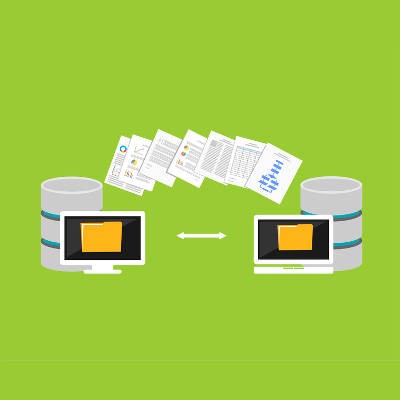



It should come as no surprise that the practice of business continuity planning is one that every business needs to undergo. This planning serves as essentially your only insurance against some form of data disaster or another. Consider your own business for a moment--could it survive a fire, a critical failure in part of your infrastructure, or theft? With a business continuity plan, there’s a chance it just might.

Global Tech Solutions Blog
Considering how often hackers target financial credentials like credit card numbers and expiration dates, it’s not surprising that ATMs can provide a wealth of information to them. Hackers are willing to go exceedingly far just to get their hands on these credentials--including physically altering the devices themselves to install skimmers and other technology on them. Unless you know what to look for, it can be difficult to tell if a machine has been tampered with.
Does your business use Google’s line of Android devices for business purposes? Well, you might be happy to hear about Google’s new zero-touch solution for enterprises for their Pixel line of smartphones. If you provide smartphones for your business’ employees, you know how much of a hassle it is to set up these devices. This new zero-touch policy attempts to make a change to this.
Whether you are suspicious or not, today seems like a good day to talk out what can happen if some bad luck interferes with your business. Disasters can come in all shapes and sizes, from a freak storm destroying your place of business and every IT component you had inside, to an employee whose path was crossed by a black cat accidentally spilling their coffee on their keyboard as they access some key data.
A surprising number of security issues come from inside your organization. User error on the part of the employee can present major problems for your workflow, data security, and the integrity of your business. User error could be something as simple as an employee clicking on the wrong links when they receive a suspicious email in their inbox, or if they are accessing data that they simply have no business accessing in the first place. Sometimes businesses will even completely forget to remove employee credentials when they leave a project or the company creating a breachable hole in your network. Regardless of the reason, user error can be a detrimental occurrence, and one which must be prepared for.
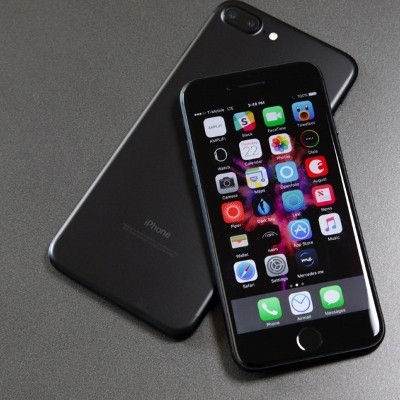
It seems hard to believe that the smartphone has been around for over a decade. When Apple rolled out the first iPhone in 2007, it triggered a momentous shift in the way people access information. Over the past 10 years these devices have gone from somewhat of a novelty to a staple of modern computing. More data is transmitted and accessed by smartphone than by any other means, and Apple has been at the forefront of this computing shift from its inception.
Most small businesses don’t have the luxury of an in-house IT department. Even if they do have one, it’s likely a small department run by a handful of folks who have their hands full with either implementation projects or simply staying afloat. With opportunities to invest in the improvement of your infrastructure few and far between, a network audit can help you identify where your network suffers most, and what you can do about it.
Many computer users are afraid for their privacy--and judging by the discussions surrounding the FCC and Net Neutrality, they should be. Now that users are responsible for the privacy of their online activity, they are finding new ways to make sure that corporations aren’t taking advantage of their Internet activity--namely through the use of a Virtual Private Network, or VPN.
If you’ve watched the news lately, chances are you’ve seen the Equifax breach and the ridiculous fallout it has caused. Over 133 million personal records have been stolen. While it’s difficult not to feel individually victimized by such a breach, it’s important to remember that it’s often not your specific credentials targeted by hackers. Since businesses often hold onto valuable information, they have big crosshairs painted onto them. It doesn’t even stop there--any vendors or partners you deal with are also in danger of hacking attacks.
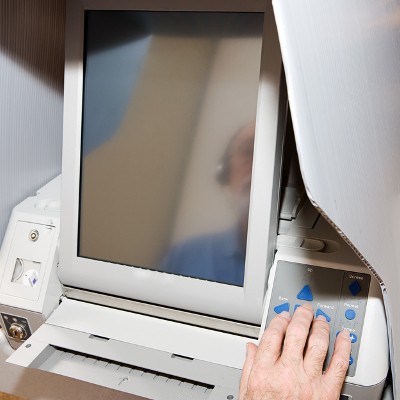
The 2016 United States presidential election was an ugly one for multiple reasons--chief among them the accusation that hacked voting machines could have altered the outcome of the election significantly. Thankfully, there are steps being taken to alleviate the worries that third parties might alter the outcome of such important events.
Have you ever used Google Maps as a GPS system to help you navigate a trip you are taking? In a lot of ways, Google Maps is even more dynamic than other dedicated online applications, and it’s certainly a better alternative than trying to decipher the lines of an atlas. Google Maps even lets you chart the distance between your location and your destination, which is a great way to get the total distance of your upcoming trip.
In the last few months, there have been several high-profile data security breaches that resulted in the theft of millions upon millions of non-public information records. Though much of the focus in the aftermath of the breaches was on personal identity theft and prevention, it’s important to keep in mind that not all the stolen data records target individuals. Business entities are also at risk. Vendors and partners that you do business with regularly will probably have record of your company’s non-public information, payment information, or tax ID number.
Have you ever been working on writing a blog article or trying your hand at a formal proposal letter and wondered if your writing was appropriate for your audience? You’re not alone. The readability of a document is such a concern for people that Microsoft Word added a feature that will automatically calculate a document’s readability using the Flesch Reading Ease formula and tells approximate reading level using the famous Flesch-Kincaid Grade Level scale.
Businesses can benefit from the use of personal mobile devices in the workplace, yet there are also potential dangers in allowing mobile and Internet of Things devices to access your network. In order to reduce these dangers, you need to put some limits and guidelines on the use of such devices in the workplace.
Back to school is upon us and then it’s a hop, skip, and jump until the holidays arrive. With more companies allowing their employees to work remotely, holiday travel will mean that people are going to be taking their work on the road with them. Preventing credit card and identity theft has been a priority for shoppers during the season for many years. It’s important that the same security considerations be given to technology being used for business while traveling.
There are dozens of surveys and reports produced each year that evaluate digital threats and cybercrime. Not every publication applies to every business - but many of them do have some important take aways about the best practices of handling IT. Here’s few highlights from the 2017 Cyberthreat Defense Report that offer important insight for SMBs and their use of technology.
Today most companies utilize computers in the dissemination of their services. Whether you run an office that deploys dozens of computers and multiple servers, a busy restaurant with a full-scale point of sale system, or a contractor that only needs one computer with invoicing software, you depend on your data. Since most businesses also provide goods and services for many people that indirectly depend on it, having a plan to protect the business from potential devastation is important.